image

The Science of Fiberglass: How Custom Design and Fabrication is Transforming African Businesses

When evaluating materials for heavy industrial applications, commercial transport, or specialized storage, engineers have traditionally leaned on steel or aluminum. However, operating in regional climates—ranging from high humidity and coastal salinity to punishing long-haul roads—constantly exposes the limitations of traditional metallurgy. Metal rusts, aluminum deforms, and joints crack under continuous vibration.

To overcome these structural bottlenecks, forward-thinking enterprises are shifting to custom Glass Reinforced Plastic (GRP)—commonly known as fibreglass. Rather than dealing with pre-fabricated, one-size-fits-all sheets, custom fibreglass design and fabrication allows engineers to manipulate material thickness, structural reinforcement, and chemical resistance to fit exact operational requirements.

At the forefront of this industrial shift in East Africa is Super Manufacturers Ltd. (SML), engineering high-performance fiberglass solutions tailored for the region’s toughest environments.

The Anatomy of Custom Fibreglass Fabrication

Unlike metals, which are constrained by rigid geometric sheets and require structural welding, custom fibreglass is an engineered material born during the fabrication process itself. It relies on a meticulous combination of two primary components:

The Reinforcement (Glass Fibers): Chopped strand mats, woven rovings, or continuous filaments provide the structural tensile strength. By layering these fibers in specific directional patterns, fabricators can reinforce high-stress zones while keeping low-stress areas lightweight.

The Matrix (Resin Systems): Liquid polymers (such as premium unsaturated polyesters, vinyl esters, or epoxies) are infused into the glass fibers. When cured via chemical catalysts, the resin solidifies, locking the fibers into position and providing compressive strength, weather resistance, and chemical inertness.

Advanced Custom Design Options

Because fibreglass is fabricated using precise master molds, the design possibilities are virtually unlimited. Here is how specialized engineering adds layers of value to custom industrial builds:

1. Chemical and Corrosion Engineering

Standard steel tanks rapidly degrade when exposed to harsh industrial chemicals, agricultural fertilizers, or highly chlorinated water. During custom fibreglass fabrication, specialized vinyl ester resins can be utilized on the internal liner. This creates a barrier completely impervious to acid corrosion, chemical leaching, and osmotic blistering, ensuring safe, multi-decade storage for industrial vats and processing units.

2. Thermal Layering for Cold-Chain Integrity

Moving temperature-sensitive cargo—like fresh flowers for export, dairy, or pharmaceutical supplies—requires exceptional insulation. Custom fabrication allows for a sandwich-panel design, where a high-density polyurethane foam core is tightly sealed between two seamless layers of fibreglass. This creates a highly insulated, lightweight delivery compartment that stops ambient heat transfer in its tracks, keeping refrigeration units running efficiently and reducing fleet fuel consumption.

3. Aerodynamic and Structural Contouring

Every weld, bolt, or rivet in a metal truck body or storage tank is a potential point of structural failure and a magnet for water leaks. Fibreglass molding allows for single-piece, seamless construction. Curved, aerodynamic contours can be built directly into the front profile of commercial transit bodies to minimize wind resistance, directly dropping fuel bills for logistics fleets.

Performance Benchmarks: Fibreglass vs. Metals

Engineering MetricMild Steel FabricationCustom SML Fibreglass
Strength-to-Weight RatioLow; requires immense mass to handle heavy structural loads.High; matches or exceeds steel strength at a fraction of the weight.
Tooling & Form FlexibilityHard angles only; curves require expensive stamping presses.Fluid molding; handles complex, curved, and seamless shapes easily.
Maintenance ProfileRequires continuous scraping, priming, and anti-rust painting.Zero maintenance; smooth gel-coat finish resists UV and weathering.
Impact ElasticityDents permanently; forces structural stress down the chassis.High elastic limit; flexes to absorb impact energy and snaps back.


The SML Fabrication Process: From Blueprint to Reality

Bringing a custom fiberglass product to life requires precise calculations and strict quality controls. The fabrication process follows a structured sequence:

  1. The Gel-Coat First Line of Defense: The fabrication starts from the outside in. A high-grade isopthalic gel-coat is sprayed into the polished mold first. This forms the smooth, glossy exterior surface that provides UV protection, color integration, and weatherproofing.
  2. Precision Hand Lay-Up & Lamination: Skilled technicians meticulously lay down the glass fiber mats, anchoring them with catalyst-activated resins. Layers are rolled out completely by hand to eliminate microscopic air bubbles, preventing internal voids that could crack under pressure.
  3. The Final Trim and Fit: Once fully cured, the rigid fiberglass composite part is demolded, precision-trimmed, and fitted with high-quality hardware, heavy-duty door seals, or internal baffles depending on the asset’s utility.

Elevate Your Industrial Assets

Don’t let the limitations of traditional metal fabrication drive up your maintenance costs or restrict your design requirements. Whether you are looking to engineer an aerodynamic fleet of lightweight insulated delivery boxes, heavy-duty water treatment components, or robust chemical storage tanks, custom fiberglass fabrication provides the ultimate economic life cycle.Partner with the regional experts in fiberglass products. Explore past projects, view our comprehensive solutions and discuss your design ideas with the engineering team Super Manufacturers Ltd. Let us build your commercial assets to last.

The Future of Logistics: Why Custom Fibreglass Vehicle Bodies are Gaining Traction in Kenya

Kenya’s logistics, e-commerce, and distribution sectors are experiencing unprecedented growth. From fresh farm produce making its way from the Rift Valley to Nairobi, to last-mile FMCG deliveries weaving through bustling city streets, the demand for efficient transport has never been higher.

However, standard vehicle bodies often fall short when faced with unique business requirements, challenging terrains, and the need for thermal efficiency. This is where custom vehicle body fabrication steps in.

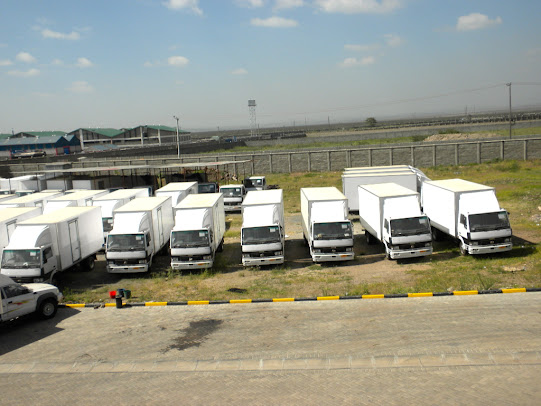
At Super Manufacturers Ltd (SML), we are reshaping the local transport industry by engineering high-performance, custom fibreglass vehicle bodies tailored specifically to your business goals.

Here is a look at why custom fibreglass is becoming the preferred choice for Kenyan businesses and how it drives profitability.

1. The Power of Lightweight Durability

Traditionally, local commercial vehicle bodies have been constructed using heavy steel or wood. While tough, these materials significantly add to the vehicle’s tare (unladen) weight.

Fibreglass composites offer a game-changing alternative. They provide an exceptional strength-to-weight ratio. By choosing a custom fibreglass body from Super Manufacturers, you drastically reduce the overall weight of your asset without compromising structural integrity.

  • Better Fuel Efficiency: A lighter vehicle requires less energy to move, translating directly into reduced fuel consumption—one of the highest running costs for Kenyan fleet managers.
  • Reduced Wear and Tear: Less weight means less strain on your vehicle’s engine, suspension, braking systems, and tires, reducing maintenance downtime.

2. Tailored to Your Exact Business Workflow

Every industry has its own unique logistical quirks. A pharmaceutical distributor requires pristine, temperature-regulated compartments, while an electronics delivery service demands maximum security and optimized shelving.

Standard, off-the-shelf vehicle bodies force you to adapt your operations to the truck. Custom fabrication flips the script. At our modern facility on Isiolo Road (Off Enterprise Road, Nairobi), we work closely with clients from concept development to final production. We build features designed around your cargo, including:

  • Custom side-opening doors for tight urban spaces.
  • Integrated racking, partitions, and internal shelving.
  • Specific dimensions optimized for maximum volumetric capacity based on your fleet’s chassis.

3. Superior Thermal Insulation for Cold Chain Logistics

With the rapid expansion of supermarket chains, fresh fast-food franchises, and agricultural exports in Kenya, maintaining an unbroken cold chain is vital.

Fibreglass is naturally a poor conductor of heat, making it an excellent insulating material. When engineered with high-density polyurethane foam cores, our custom fibreglass bodies provide world-class thermal insulation. Whether you are transporting dairy, fresh meat, flowers, or temperature-sensitive pharmaceuticals, a custom-built body ensures your cargo stays fresh from transit to destination, drastically lowering the risk of spoilage.

4. Weatherproofing and Corrosion Resistance

Kenyan roads present a mix of environmental challenges—from coastal humidity and salt spray in Mombasa to torrential rains during the monsoon seasons. Steel bodies are highly prone to rust, which can contaminate cargo and degrade the vehicle over time.

Fibreglass is completely immune to rust and corrosion. It is 100% waterproof and highly resistant to most industrial chemicals. A fibreglass body built by Super Manufacturers stands up to the elements, preserving both its professional appearance and its structural soundness for decades.

5. High Aesthetic Appeal and Branding Real Estate

Your delivery fleet is a moving billboard. A sleek, smooth, and seamless custom fibreglass body offers a premium look that enhances your brand’s public image. Unlike corrugated metal sheets, flat fibreglass panels provide the perfect surface for high-quality branding, vinyl wraps, and corporate logos, making your brand impossible to ignore on Kenyan highways.

Partner with the Fibreglass Professionals

With decades of industry know-how, advanced machinery, and a commitment to stringent quality assurance, Super Manufacturers Ltd is your trusted partner for commercial transport solutions. We follow best practices in resin formulation and lamination to ensure your vehicle body delivers infrastructure-grade durability.

Stop settling for standard setups that drain your fuel budget and limit your daily output. Let us help you design a vehicle body built for the realities of the Kenyan market.

Ready to upgrade your fleet?

  • Visit Us: Isiolo Road, Off Enterprise Rd, Nairobi Industrial Area.
  • Explore Our Work: Check out our latest builds on our Projects Gallery.
  • Get a Quote: Contact our fabrication specialists today at and let’s bring your custom vehicle vision to life!